November 10, 2026
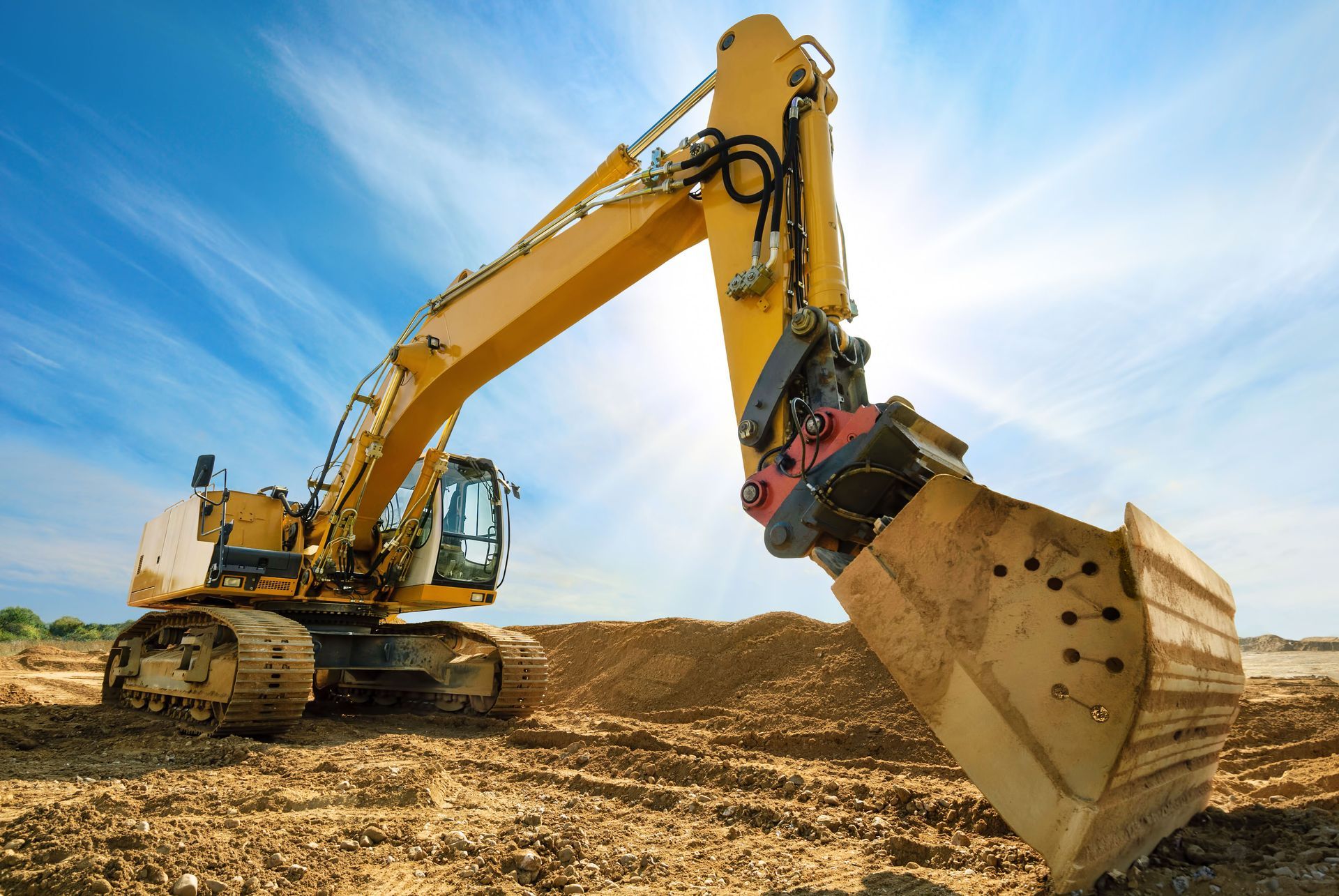
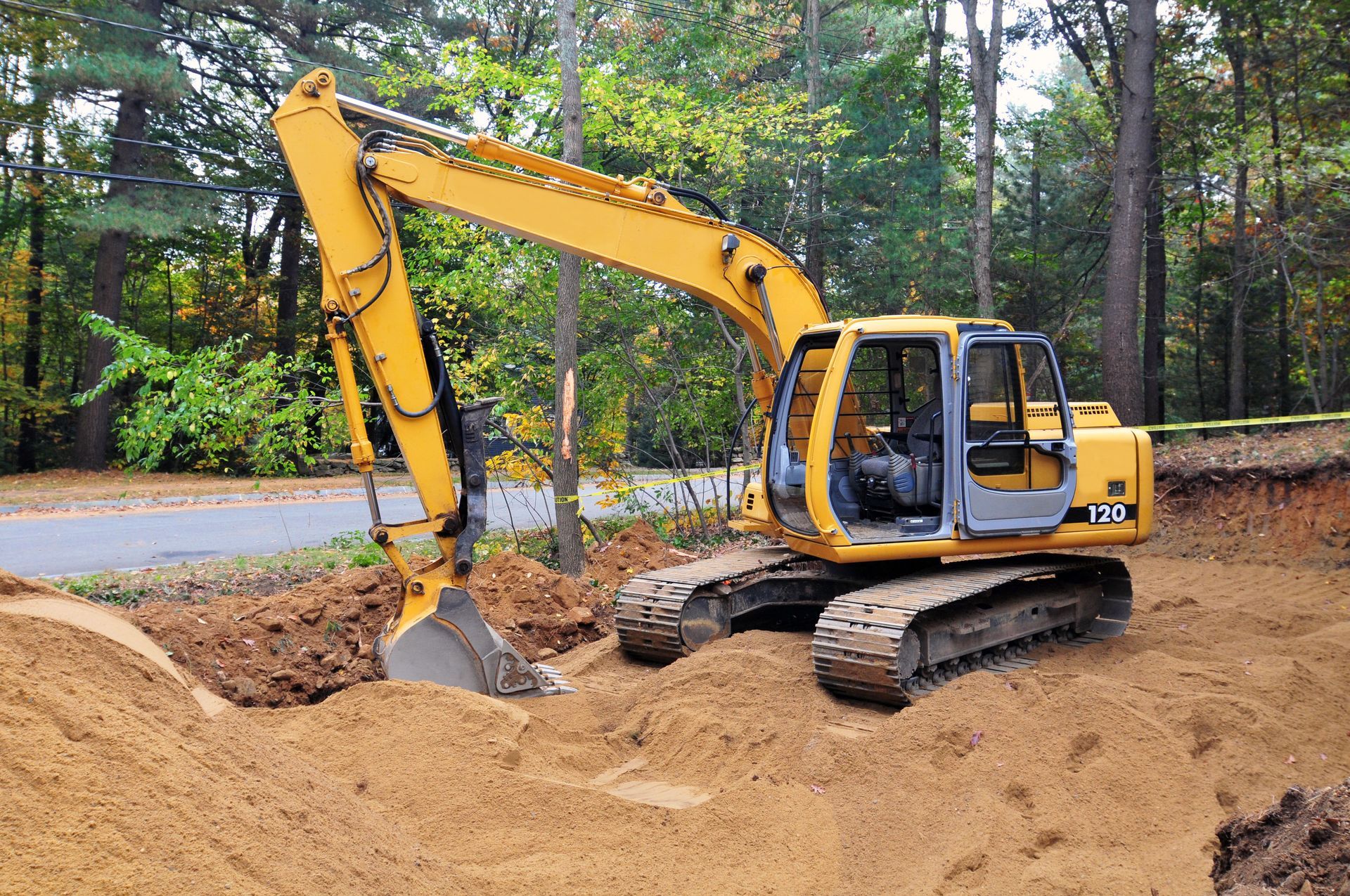
Heavy earthmoving machinery represents the operational backbone of civil engineering, site preparation, foundation digging, and utility trenching projects across commercial and residential sectors. Massive hydraulic excavators, tracked bulldozers, heavy wheel loaders, and trenching machines endure extreme mechanical stress, heavy payload pressures, and continuous exposure to harsh environmental conditions every day. Maintaining these multi-ton mechanical assets in peak working condition is essential for preserving jobsite safety, hitting project deadlines, protecting equipment equity, and maintaining commercial profitability. When heavy machinery suffers unexpected hydraulic line ruptures, engine failures, or track pin breakage, entire construction sites grind to a sudden halt, triggering expensive labor delays and cascading schedule disruptions.
Implementing rigorous preventive maintenance schedules and comprehensive equipment care protocols transforms heavy machine management from a reactive hassle into a predictable strategic advantage. Equipment upkeep involves far more than simply changing engine oil or topping off fuel levels; it requires systematic fluid analysis, hydraulic line inspections, structural weld evaluations, and undercarriage wear monitoring. By taking a proactive approach to fleet management, site operators prevent catastrophic mechanical failures, minimize jobsite safety risks, reduce operational overhead, and protect their workers. Exploring the primary benefits of disciplined equipment upkeep reveals how avoiding catastrophic jobsite delays, enhancing workplace safety protocols, analyzing federal excavation enforcement metrics, extending heavy asset lifespans, lowering long-term operating costs, and partnering with experienced site preparation specialists combine to ensure project success and build lasting business value.
Avoiding Catastrophic Jobsite Delays and Protecting Project Schedules
Avoiding sudden mechanical breakdowns on active construction sites represents one of the most immediate operational benefits of systematic heavy machinery maintenance. Modern site development relies on tight, interdependent project schedules where earthmoving, utility trenching, foundation pouring, and structural framing follow strict chronological sequences. A single broken hydraulic hose or blown transmission on a main excavating unit stalls adjacent trade workers, delaying concrete pours, utility connections, and structural inspections.
Rigorous preventive maintenance programs identify worn seals, frayed hydraulic lines, and loose structural pins before they fail under load during critical digging operations. Mechanics conduct pre-shift inspections, test hydraulic pressures, and replace high-wear components according to strict operating hour intervals. Partnering with proactive local excavating companies guarantees that jobsite fleets operate at maximum reliability, keeping complex site development projects moving forward on schedule without costly mechanical delays.
Enhancing Workplace Safety Protocols and Protecting Jobsite Personnel
Enhancing physical jobsite safety and protecting heavy machine operators from sudden equipment failures represents a fundamental moral and legal obligation for site managers. Heavy excavating equipment operates under high hydraulic pressures and carries massive structural loads near open trenches, utility lines, and team members working on foot. Mechanical failures—such as sudden hydraulic pressure drops, brake failures, steering glitches, or bucket latch malfunctions—can cause catastrophic jobsite accidents, worker injuries, or structural trench collapses.
Routine safety maintenance checks ensure that primary braking networks, emergency shut-off switches, backup alarms, hydraulic lock valves, and operator protective structures remain fully functional. Mechanics inspect wire ropes, quick-coupler latches, and boom structural welds for micro-cracks that indicate impending metal fatigue. Contracting safety-focused local excavating companies protects site workers, mitigates employer liability, and fosters a culture of uncompromising jobsite safety across every phase of earthmoving operations.
Analyzing Federal Excavation Enforcement Metrics and Prioritizing Safety
Analyzing federal safety enforcement metrics highlights the intense regulatory scrutiny surrounding trenching, excavation, and heavy equipment operations across the country. Excavation and trenching rank among the most hazardous construction activities, with soil cave-ins, equipment strikes, and structural collapses posing constant risks to worker safety. Examining federal safety initiatives underscores why maintaining machinery and protective trenching equipment remains vital for regulatory compliance and worker protection.
Federal oversight data emphasizes the ongoing focus on excavation safety enforcement and jobsite hazard mitigation across commercial sites. According to OSHA, OSHA responded by enhancing enforcement, conducting over 1,000 trench inspections, and calling on employers to ensure safety protections. Working alongside compliant local excavating companies ensures that all heavy machinery, trench shields, hydraulic shoring equipment, and excavation practices meet rigorous federal safety standards.
Extending Heavy Asset Lifespans and Protecting Machinery Capital
Extending the working lifespan of heavy excavating machinery represents a primary financial benefit of disciplined fleet care and preventive mechanical service. Heavy earthmoving equipment requires substantial capital investment, making premature machine degradation or early engine failure a devastating financial blow for site contractors. High operating temperatures, abrasive soil dust, heavy shock loads, and continuous vibration degrade moving metal components, seal rings, and engine bearings over time if left unserviced.
Systematic maintenance schedules incorporate regular fluid testing, oil analysis, filter replacements, undercarriage tension adjustments, and thorough chassis lubrication. Mechanics monitor wear patterns on bucket teeth, track shoes, drive sprockets, and boom pins, replacing minor wear parts before they damage primary structural castings or hydraulic pumps. Utilizing well-maintained equipment from reputable local excavating companies preserves asset equity, delays expensive fleet replacement costs, and ensures maximum mechanical efficiency across thousands of operating hours.
Lowering Long-Term Operating Costs and Optimizing Fuel Efficiency
Lowering overall project operating expenses and optimizing fuel consumption depends heavily on keeping heavy diesel engines, hydraulic pumps, and drive systems operating at peak mechanical efficiency. Clogged air filters, dirty fuel injectors, dragging brake assemblies, and worn hydraulic pumps force heavy engines to work harder, burning excessive fuel while delivering reduced digging power. Furthermore, ignoring minor oil leaks or minor gear noises leads to catastrophic internal failures that cost significantly more to repair than routine preventative service.
Proactive maintenance programs optimize combustion efficiency, balance hydraulic fluid flow rates, and reduce internal mechanical friction across all drive components. Clean engine systems burn fuel efficiently, lowering daily site fuel expenses and reducing harmful exhaust emissions. Sourcing equipment through cost-conscious local excavating companies guarantees that jobsites benefit from high-efficiency machinery that keeps project budgets under control while minimizing environmental footprints.
Establishing a rigorous equipment maintenance program represents an indispensable investment in jobsite safety, project efficiency, asset longevity, and overall commercial success within the site preparation industry. Neglecting heavy machine care, ignoring hydraulic fluid degradation, or operating equipment with worn safety latches invites catastrophic jobsite breakdowns, severe safety hazards, expensive project delays, and premature equipment replacement. By prioritizing daily pre-shift inspections, executing timely fluid testing, replacing high-wear components, and protecting hydraulic systems from contamination, contractors ensure that their fleets operate at peak performance under the most demanding soil conditions.
At EFM Services LLC, we are deeply committed to powering your site development projects, protecting worker safety on every jobsite, and delivering superior earthmoving solutions through master trade craftsmanship, meticulously maintained machinery fleets, and dedicated customer care. Our team of certified site specialists brings extensive excavation expertise, precision laser site grading, utility trenching, foundation digging, land clearing, and meticulous attention to detail to every commercial development project, residential site preparation, drainage installation, slope stabilization, and professional local excavating companies we work with across our community. We take immense pride in evaluating your property's unique soil conditions, analyzing project engineering specifications, guiding you through hand-selected site preparation strategies, and serving as your trusted site development partner to bring total structural stability, project efficiency, and enhanced value to your land. Furthermore, our business prioritizes clear communication, transparent written estimates, clean jobsite management, and exceptional service performance from initial groundbreaking through final site inspection walkthrough. We carefully inspect every machine hydraulic line, bucket latch, safety sensor, and track assembly to guarantee maximum operational reliability, code compliance, and complete client satisfaction. Contact us today to schedule your comprehensive site consultation and discover the true value of working with dedicated local excavation specialists.