August 22, 2026
Excavation is one of the first major steps in many construction projects, and the quality of this work can influence everything that follows. Whether a project involves preparing a building site, digging a foundation, installing utilities, or grading property, the work requires careful planning and capable equipment. Hiring the right excavating contractor can help keep the project on schedule while reducing the likelihood of costly mistakes, property damage or safety problems.
There are many companies offering excavation services, making it important to compare potential contractors carefully. According to IBISWorld, there were approximately 238,021 excavation contractor businesses in the U.S. in 2024. With so many options available, evaluating qualifications, experience, safety practices, pricing and communication can help property owners and project managers make a more informed decision.
What Qualifications Should an Excavating Contractor Have?
Before hiring an excavating contractor, verify that the company has the qualifications necessary to perform the specific type of work involved. Licensing requirements can vary by location and project, so prospective clients should determine which credentials apply to their project and confirm that the contractor meets those requirements.
Insurance is another important consideration. A contractor should carry appropriate general liability and workers' compensation coverage. Depending on the scope of the work, additional coverage may be appropriate. Asking for proof of insurance before work begins can provide greater confidence that the parties understand their responsibilities if an accident or property damage occurs.
The contractor should also have experience with the type of excavation required. Digging a residential foundation, preparing a commercial building site and installing underground utilities can involve different techniques, equipment and site considerations. A contractor whose previous work closely resembles the planned project may be better positioned to anticipate common challenges.
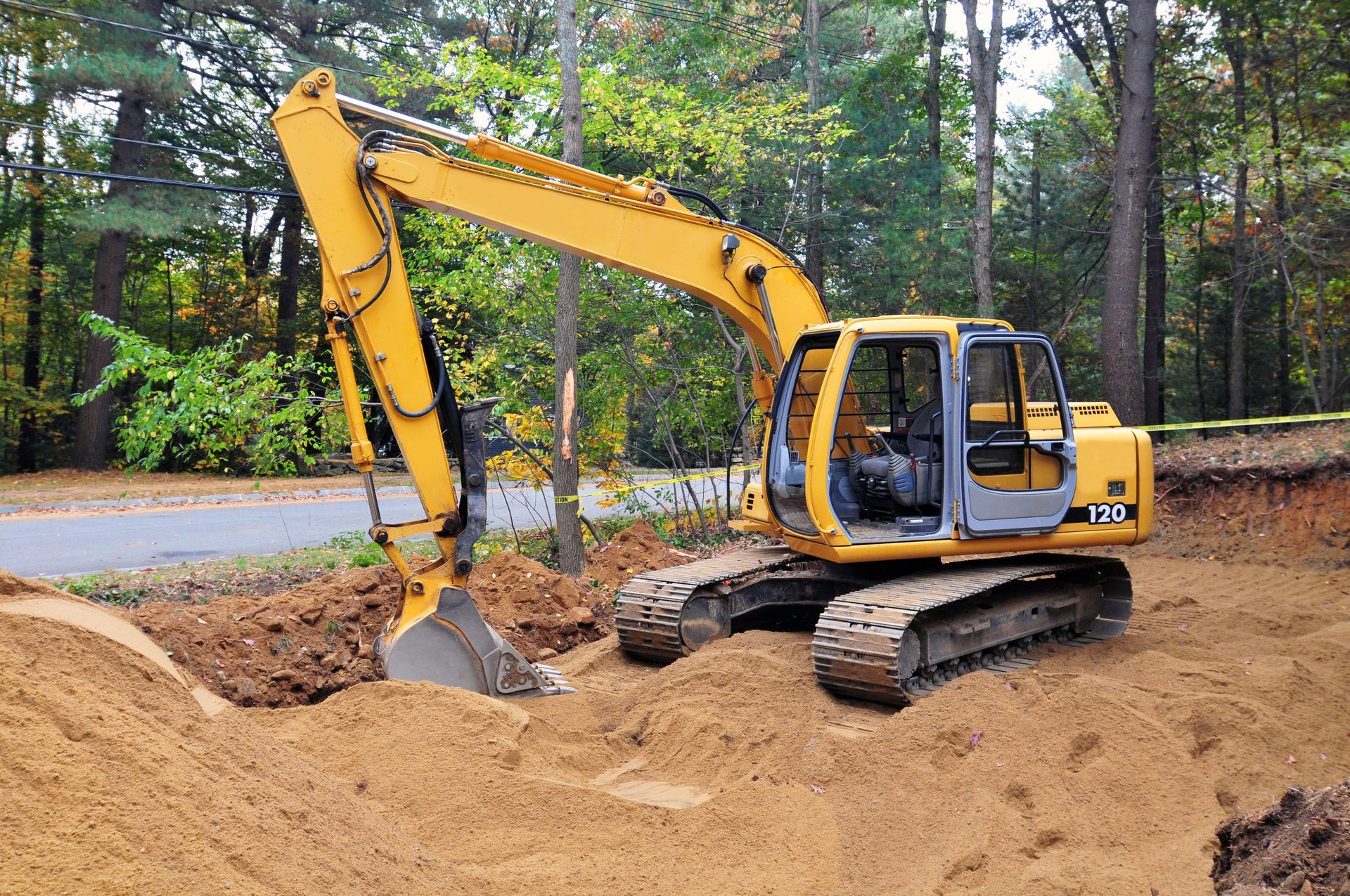
It can also be useful to ask about the company's workforce and equipment. Qualified operators should understand how to use excavators, loaders, compactors and other machinery safely and effectively. Properly maintained equipment can also help reduce unnecessary delays during the project.
How Can You Evaluate a Contractor's Track Record?
A company's past work can provide valuable insight into what clients can expect. Rather than relying solely on advertising claims, ask an excavating contractor for examples of completed projects that are comparable in size and scope.
References can be particularly useful. Speaking with previous customers may reveal information about the contractor's reliability, workmanship, scheduling, and communication that may not be apparent during an initial consultation. Online reviews can provide additional context, although they should be considered alongside other sources of information.
Pay attention to how the contractor discusses previous projects. A reputable company should be able to explain the types of excavation it performs, the challenges it has encountered, and how those challenges were addressed. Questions about site conditions, drainage, soil composition and access can also demonstrate whether the contractor has considered the factors that could affect the work.
It is equally important to look for warning signs. Consistently poor reviews, vague answers about previous projects, difficulty providing references or pressure to make an immediate decision may justify further consideration. Taking time to compare several contractors can make it easier to distinguish a strong candidate from one that may not be suited to the project.
Why Are Safety Practices and Equipment Important?
Excavation involves heavy machinery, unstable soil, underground utilities and changing site conditions, making safety a central concern. Before hiring an excavating contractor, ask about the company's approach to job-site safety and how workers are trained to identify and respond to potential hazards.
Utility location is one particularly important consideration. Before digging, underground utilities should be identified and marked through the appropriate process. Depending on the project, the contractor may also need to account for easements, property boundaries, drainage systems, and other subsurface features.
Equipment condition matters as well. Excavators and other heavy machinery require routine inspections and maintenance. Equipment that is appropriate for the terrain and scope of work can improve productivity while helping operators maintain control of the job site.
A good excavating contractor should also have procedures for handling changing conditions. Unexpected soil conditions, groundwater, weather, and other factors can affect excavation work. The ability to recognize these issues and adjust the work plan can help prevent small problems from becoming major setbacks.
How Does Cost Factor Into Hiring Decisions?
Price naturally plays a role in choosing a contractor, but the lowest estimate is not necessarily the best value. Excavation costs can depend on factors such as project size, soil conditions, accessibility, depth, disposal requirements, equipment needs, and the amount of material that must be moved.
When comparing estimates, ask what is included in each proposal. One contractor's price may include hauling and disposal while another may list those services separately. Similarly, grading, backfilling, compaction, or additional site preparation may or may not be included.
A detailed written estimate can make these differences easier to identify. The proposal should provide enough information to understand the expected scope of work and potential additional charges. Clients should also ask how unexpected conditions will be handled if the original estimate needs to change.
Choosing based solely on price can create problems if a contractor cuts corners or fails to account for important work. Instead, consider the overall value provided by the excavating contractor, including qualifications, experience, equipment, safety practices, and reliability.
Why Is Communication Crucial With an Excavating Contractor?
Clear communication can have a major impact on a construction project's progress. Excavation often occurs early in the construction process, meaning delays or unexpected issues can affect multiple trades and subsequent stages of work.
Before hiring an excavating contractor, discuss how communication will work throughout the project. Determine who the primary contact will be, how often updates will be provided, and how quickly questions or concerns are typically addressed. Establishing these expectations early can prevent confusion later.
Communication is particularly important when site conditions differ from what was expected. For example, a contractor may encounter unexpected rock, groundwater or unsuitable soil. Instead of proceeding without consultation or simply adding costs to the final invoice, the contractor should communicate the issue and explain the available options.
The same principle applies to scheduling. Weather, equipment problems, and other construction activities can affect the timeline. A contractor who communicates changes promptly gives the project team more time to adjust its plans.
Good communication also extends to the written agreement. Scope, pricing, scheduling expectations and responsibilities should be documented so everyone has a common understanding of the project before excavation begins.
Hiring an
excavating contractor requires more than comparing prices. The contractor's qualifications, previous work, safety practices, equipment, pricing structure, and communication habits can all influence the outcome of a construction project.
Start by confirming applicable credentials and insurance, then investigate the company's track record and request relevant references. Review the contractor's approach to safety and equipment maintenance, and compare detailed estimates rather than focusing exclusively on the lowest price. Finally, establish clear communication expectations before work begins.
A strong hiring decision can ultimately save time, prevent unexpected expenses, and help keep the entire construction project moving forward. By carefully evaluating each contractor before work begins, property owners can select a company that is prepared to meet the project's specific needs and expectations.
Thorough evaluation takes some time, but excavation provides the groundwork for many construction projects. Choosing a capable and dependable contractor can help establish a solid foundation for the work that follows while reducing avoidable delays, expenses, and complications. If you're looking for reliable excavating, reach out to the team at EFM Services LLC today!