October 20, 2026
Successful construction projects begin long before the first walls go up or the structural framework takes shape. Preparing the land properly is essential for creating a stable, functional site that can support buildings, driveways, drainage systems, and other improvements. Without careful planning and soil management, construction teams may encounter unexpected delays, costly corrections, and structural concerns that affect the finished project.
Professional excavating helps address these challenges by ensuring the ground is prepared according to the project's requirements. From evaluating soil conditions to establishing proper elevations and removing unwanted materials, experienced excavation contractors provide essential services that support construction at every stage. Their work helps property owners and builders establish a dependable starting point for residential, commercial, and infrastructure projects.
Preparing Construction Sites for Reliable Results
Establishing a Stable Foundation
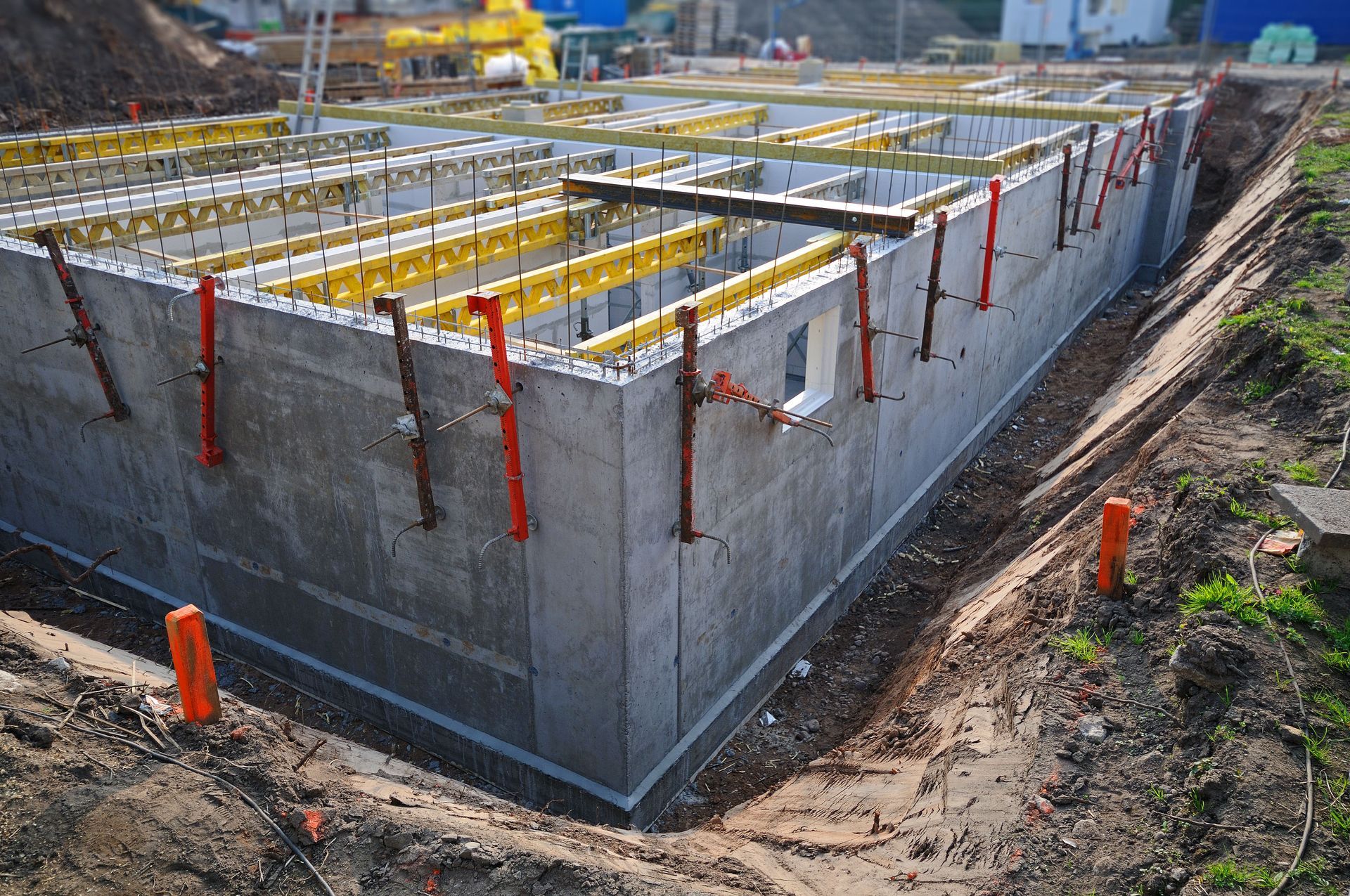
Every successful construction project depends on a properly prepared foundation. Before construction begins, contractors must ensure the ground can accommodate the planned structure and that the excavation meets the required dimensions. Uneven terrain, unsuitable soil, and improperly prepared ground can create complications that affect the stability of the finished building.
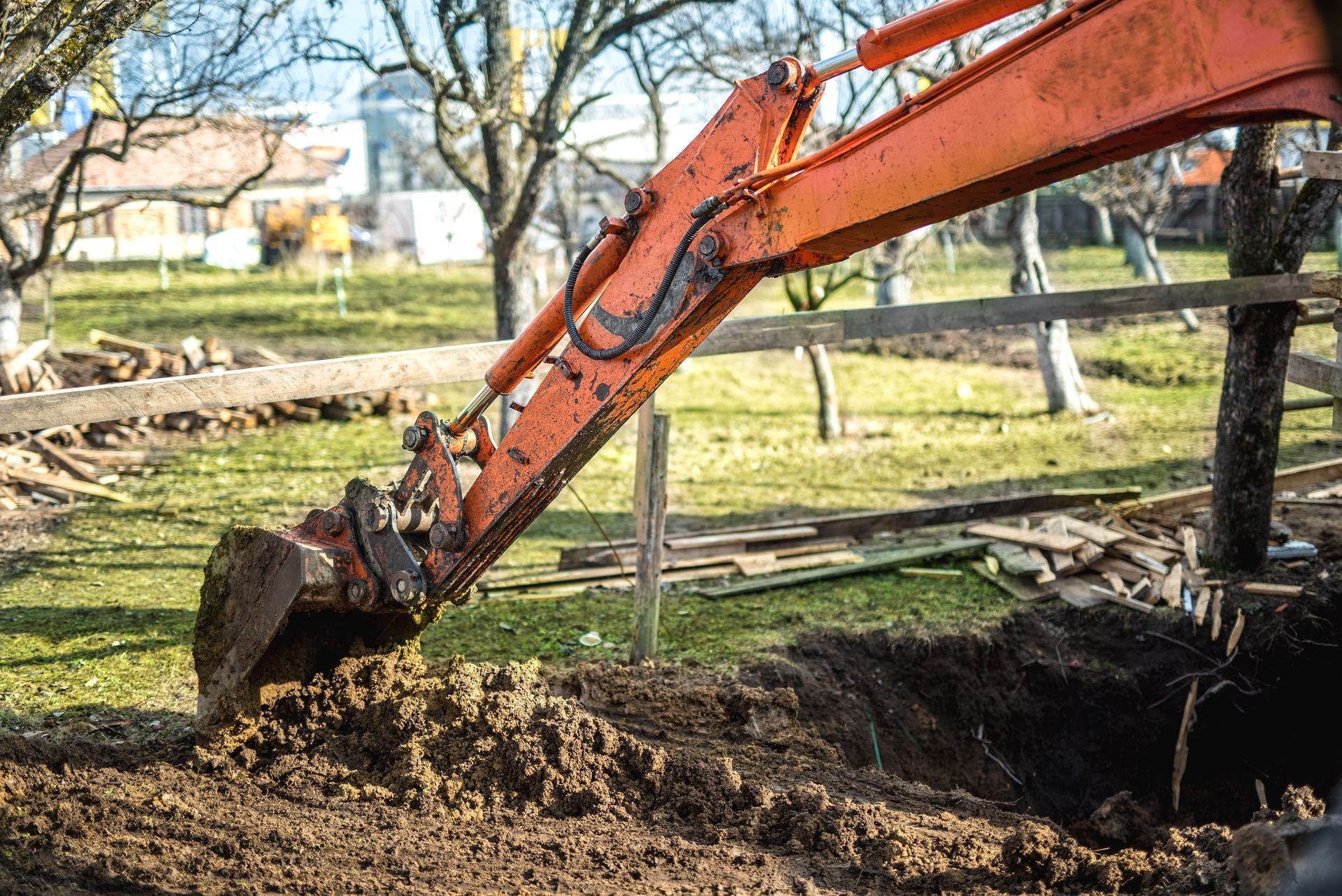
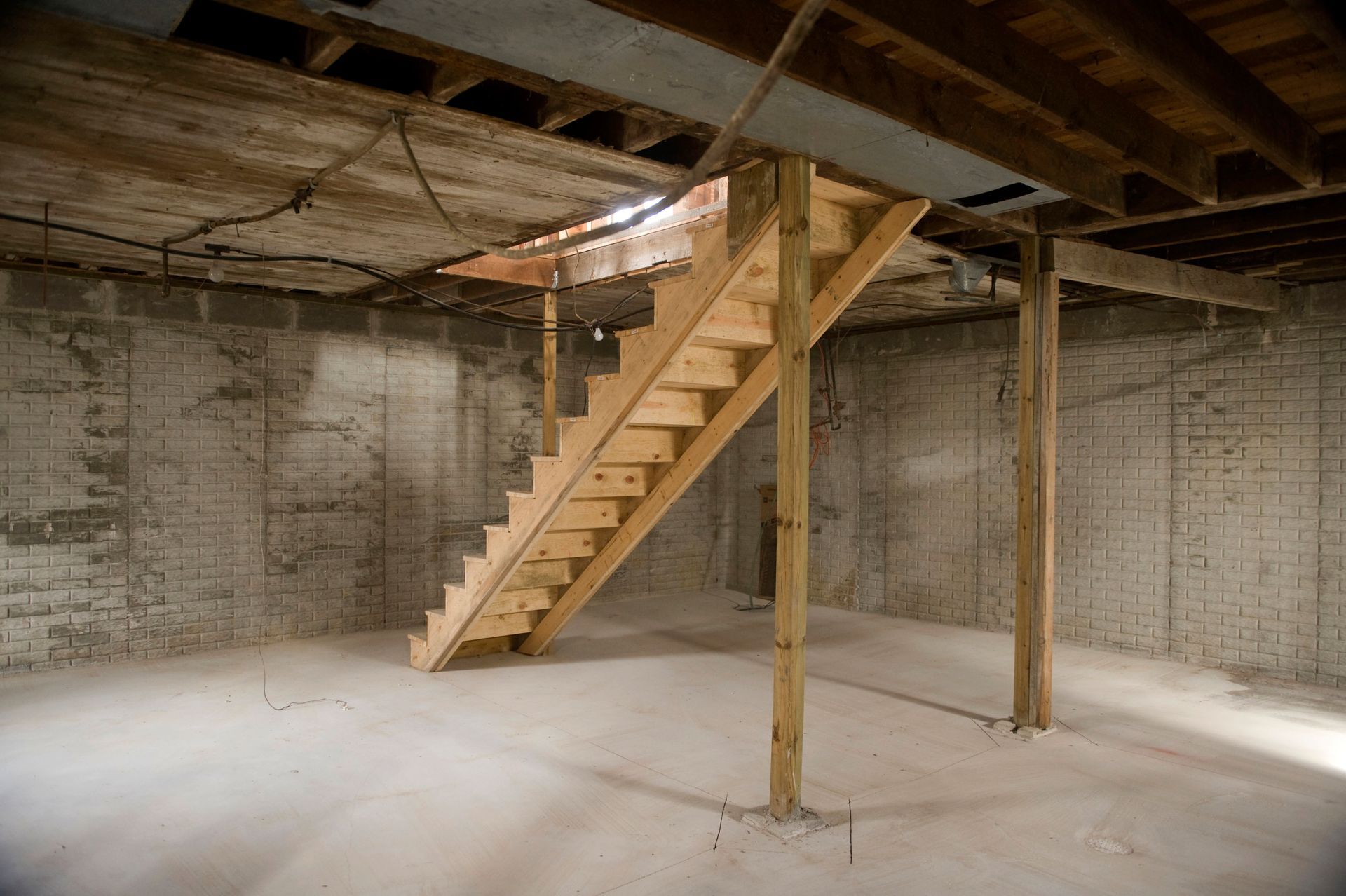
Professional excavating contractors evaluate site conditions and remove or redistribute soil as needed to create an appropriate building area. Their work may involve digging foundation trenches, preparing basement areas, establishing footing locations, and leveling the ground. Careful attention to depth and elevation helps ensure the foundation can be installed according to the project's specifications.
These preparations are especially important for new homes, commercial buildings, and property additions. Each project has different structural requirements, and excavation must account for the intended design and the characteristics of the land. Experienced professionals use appropriate equipment and established methods to prepare the site accurately, helping reduce the likelihood of complications during subsequent construction phases.
Managing Soil Conditions and Ground Stability
Soil composition plays an important role in determining how a construction site should be prepared. Different soil types respond differently to moisture, pressure, and changes in weather. Loose, unstable, or poorly compacted soil may settle over time, potentially affecting foundations, paved surfaces, and other structural elements.
Professional excavating contractors assess the ground and determine how to manage these conditions before construction progresses. Depending on the site, this work may include removing unsuitable material, adding appropriate fill, grading the surface, and compacting the soil to achieve the necessary stability. Proper backfilling around foundations and other structures is equally important because poorly placed or inadequately compacted material can contribute to settlement.
Effective soil management also helps construction teams maintain more predictable working conditions. By addressing ground-related concerns early, contractors can reduce the risk of discovering significant problems after foundations or other improvements have already been installed. This preparation supports a more organized construction process and helps protect the quality of the completed project.
Coordinating Site Preparation With Project Requirements
Construction sites rarely have identical layouts or preparation needs. A residential property may require basement digging, driveway preparation, or space for an outdoor living area, while a commercial development may need extensive grading and multiple foundation excavations. Professional contractors tailor their approach to the project's design, property conditions, and construction schedule.
During the planning stage, contractors consider access points, required excavation depths, material removal, and the placement of soil and equipment. They also coordinate their work with builders and other professionals to ensure the prepared site accommodates the next phase of construction. This coordination helps prevent avoidable conflicts between excavation activities and other scheduled work.
Industry activity also reflects the ongoing demand for these services. According to IBISWorld, the U.S. excavation contractors industry is currently valued at $145.7 billion in 2026. As construction projects continue to require properly prepared sites, professional excavating remains an important part of bringing development plans into practice.
Increasing Efficiency and Supporting Long-Term Performance
Using Appropriate Equipment and Proven Methods
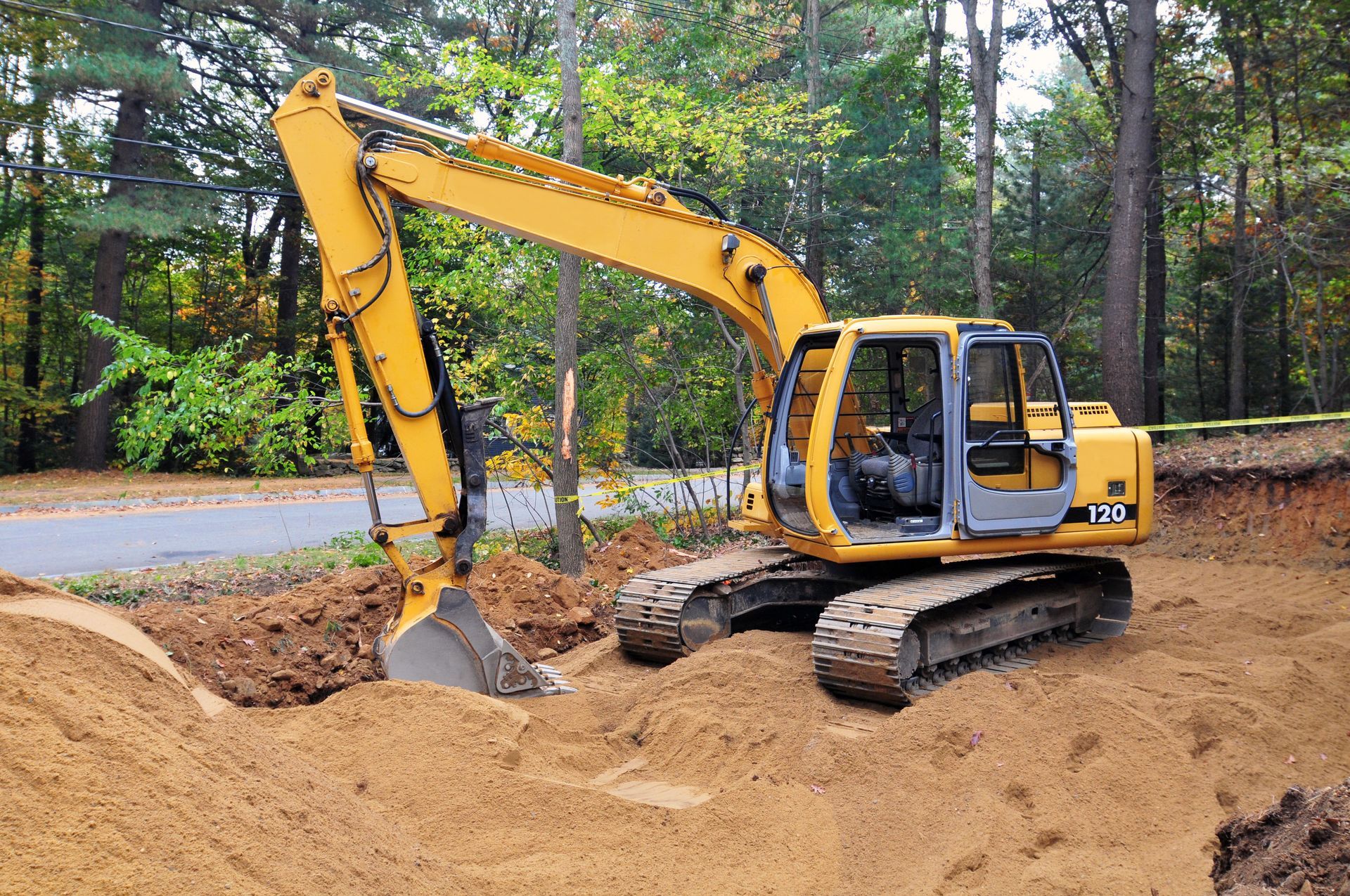
Excavation requires more than moving soil from one location to another. Contractors must select equipment that suits the project's scale, site accessibility, ground conditions, and required level of precision. Small residential projects may involve confined work areas, while larger developments can require substantial earthmoving and material removal.
Professional crews understand how to match equipment and working methods to the task. Excavators, loaders, and grading equipment can support activities such as foundation digging, concrete removal, yard leveling, and driveway preparation. Using suitable machinery helps crews complete demanding work efficiently while maintaining control over the dimensions and contours of the prepared area.
Experience also matters when unexpected conditions arise. Contractors may encounter buried debris, difficult soil, changes in ground moisture, or obstacles that were not apparent during initial planning. Skilled professionals can assess these circumstances and adjust their approach as necessary. This practical knowledge helps keep work moving while maintaining attention to site requirements, safety, and the quality of the finished preparation.
Limiting Delays and Avoidable Expenses
Construction schedules often depend on excavation being completed before other trades can begin their work. If a foundation area is incorrectly sized, the ground is inadequately compacted, or drainage requirements are overlooked, builders may need to pause construction while corrections are made. Such setbacks can affect labor scheduling, equipment availability, material deliveries, and the overall project budget.
Hiring an experienced contractor helps reduce these risks by addressing essential site preparation tasks before they interfere with later construction. Detailed planning, accurate measurements, and appropriate material handling can help prevent avoidable rework. Contractors who communicate clearly with builders also make it easier to coordinate site access and establish realistic expectations for the next phase.
Although professional services represent an upfront project expense, the quality of the work can influence costs throughout construction and beyond. Correcting ground preparation problems after a structure has been built may require substantial effort and disruption. Investing in qualified excavating services helps property owners and builders prioritize essential groundwork, manage project resources, and establish conditions that support a smoother construction process.
Preparing Land for Different Types of Development
Professional excavation supports a broad range of construction and property improvement projects. In residential settings, contractors may prepare foundations, dig basements, excavate swimming pools, or create suitable bases for driveways and walkways. Each task requires attention to dimensions, soil conditions, drainage, and the relationship between the new feature and the surrounding property.
Commercial and recreational developments also depend on careful ground preparation. Contractors may shape land for parking areas, prepare building sites, construct ponds, or establish stable surfaces for specialized facilities such as riding arenas. These projects require site-specific planning because surface consistency, slope, drainage, and soil stability can affect how the finished area performs.
Professional excavating services also provide a starting point for broader property improvements, including landscape redesign, grading, and drainage upgrades. By preparing the land to suit its intended use, contractors help property owners make practical use of available space while accounting for existing conditions. Their work connects initial development plans with the physical requirements of construction, making proper preparation an essential investment in the overall project.
Professional excavation is a fundamental part of modern construction because it establishes the ground conditions needed for stable structures, effective drainage, and organized project execution. Through careful site evaluation, soil management, grading, and material removal, experienced contractors help reduce avoidable problems and prepare properties for a wide range of improvements. Choosing qualified excavating services for these early stages supports efficient construction, protects surrounding property, and helps create a solid starting point for the work that follows.
Contact EFM Services LLC to discuss your construction project and receive a free estimate for professional excavation and site preparation services!